0 Which of the Following Drugs Target Bacterial Cell Wall
Macrolide drugs block attachment sites on the host cell wall and prevent viruses from entering. The resulting polymeric structure is.

Mechanisms Of Antibacterial Drugs Microbiology
The effect on Escherichia coli is the inhibition of DNA synthesis through prevention of DNA supercoiling.
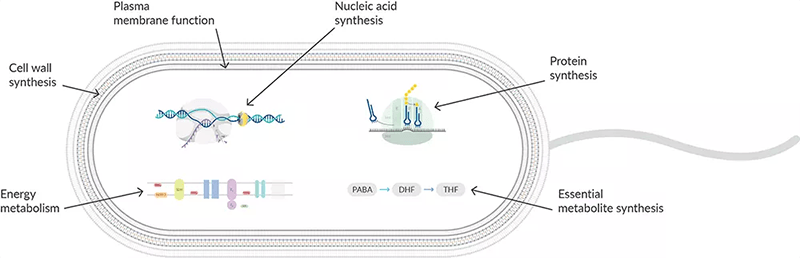
. 1617 Within these target classes there are numerous specific targets and binding sites. Among other things such compounds lead to the cessation of cell respiration and division. Most bacteria produce a cell wall that is composed partly of a macromolecule called peptidoglycan itself made up of amino sugars and short peptides.
A tetrapeptide string of amino acids attached to each molecule of N-acetylmuramic acid while pentaglycine bridges interlink the tetrapeptide strings of adjacent glycan chain. In particular combinations of β-lactams which target the cell wall and aminoglycosides which target the ribosome and cause mistranslation of proteins are often synergistic 29 because the. The smaller colony size of syn30 suggested a slower growth rate and perhaps an altered colony architecture on.
They may also interrupt bacterial membrane integrity. Nevertheless there are important parallels between the mechanisms by which. Bacterial cell wall consists of a specific alternating arrangement of molecules of N-acetylglucosamine and N-acetylmuramic acid to form a glycan chain.
The compounds chosen for the training set cover each of these three stages and include. Inhibition of ribosomal function disruption of cell wall biosynthesis or inhibition of DNA synthesis. The site of action is bacterial gyrase a synthesis promoting enzyme.
Comparison of syn30 with the starting cell syn10 showed that they have similar colony morphologies which are characteristic of the natural wall-less Mycoplasma mycoides subspecies capri on which the synthetic syn10 genome was originally based. Enrofloxacin is bactericidal with activity against both. For example many antibacterial agents inhibit steps important for the formation of peptidoglycan the essential component of the bacterial cell wall.
Meropenem penetrates the cell wall of most. In contrast most antifungal compounds target either the formation or the function of ergosterol an important component of the fungal cell membrane. Infections of the central nervous system are among the most serious infections12 but the mechanisms by which pathogens access the brain remain poorly understood.
Drugs that neutralize the acidity of phagolysosomes prevent viral uncoating. Nucleotide analogs can be used to stop microbial replication. The model microorganism Listeria.
Following administration of probenecid with Meropenem the mean systemic exposure increased 56 and the mean elimination half-life increased 38 see Drug Interactions 71. Which of the following statements is false concerning antiviral drugs. Human cells do.
Broadly speaking most antibiotics target one of three stages of bacterial cell replication. Following are some examples. The bactericidal activity of Meropenem results from the inhibition of cell wall synthesis.
How Do Antibiotics Affect Cell Wall Synthesis Biomol Blog Resources Biomol Gmbh Life Science Shop

A Typical Antibiotic Target Sites Present In Bacterial Cells And B Download Scientific Diagram
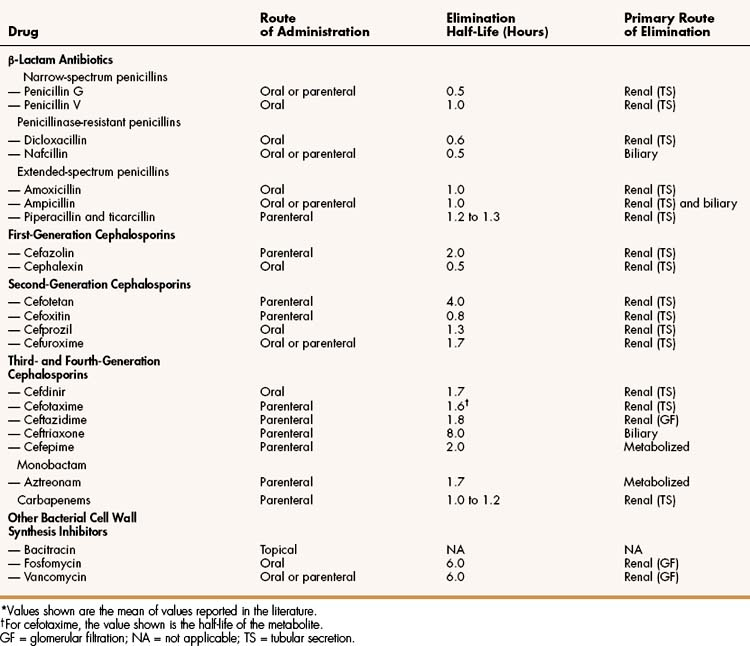
Inhibitors Of Bacterial Cell Wall Synthesis Basicmedical Key

Mode Of Action Of Antibiotics Antibiotics Can Inhibit The Growth Of Download Scientific Diagram


Comments
Post a Comment